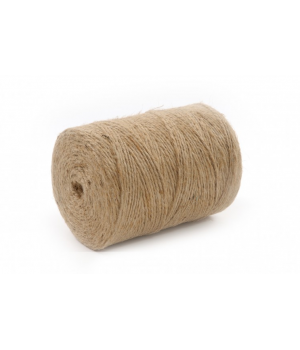
Reference: J2-50
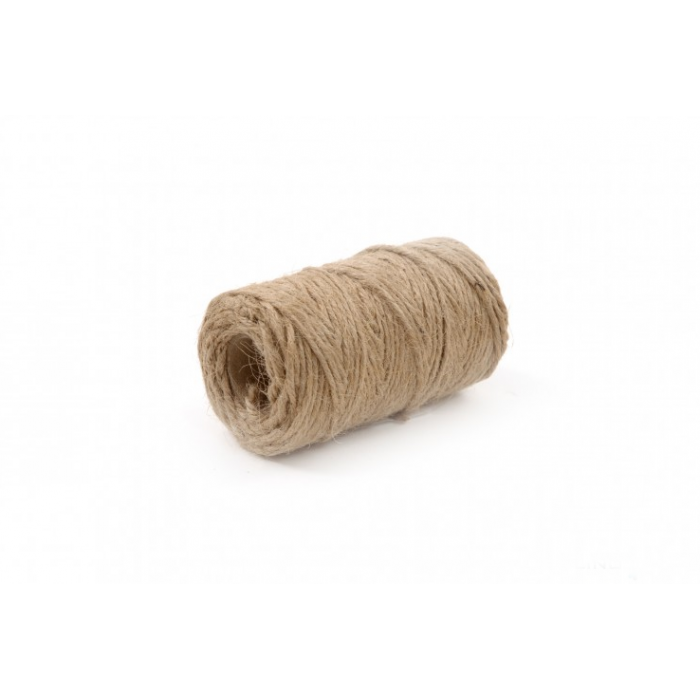
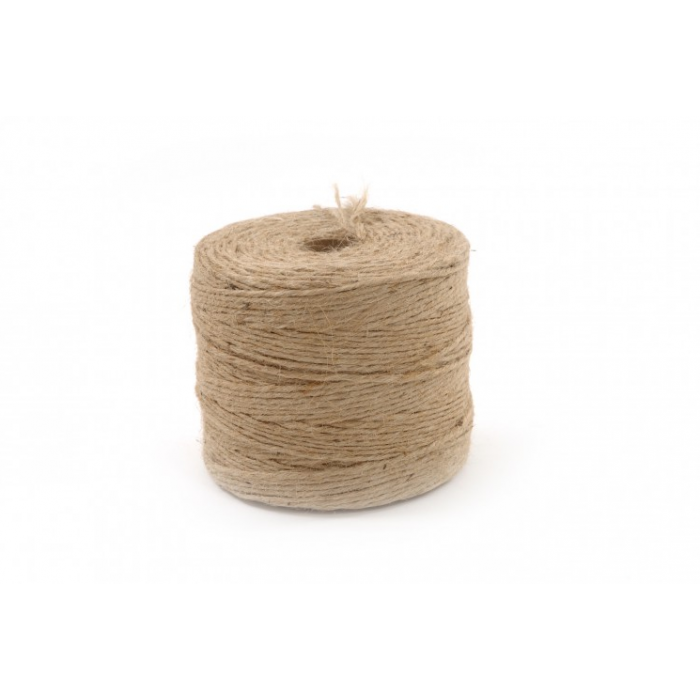
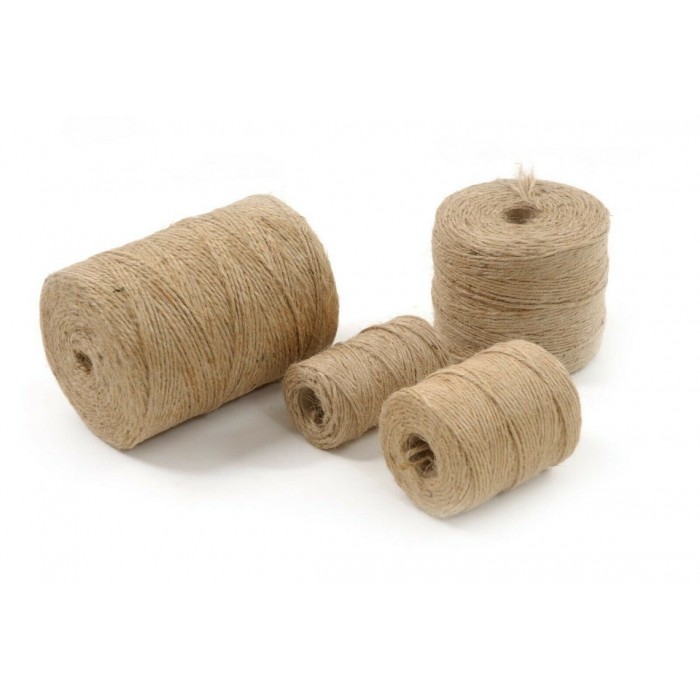
Thickness ~ 2 mm
Length ~ 50 m
Weight ~ 0.1 kg
100% JUTE
 Security policy
 Delivery policy
 Return policy

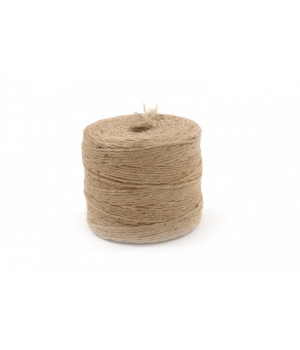
Reference: J2-50
Thickness ~ 2 mm
Length ~ 50 m
Weight ~ 0.1 kg
100% JUTE
Security policy
Delivery policy
Return policy
 By buying this product you can collect up to
2
points.
Your cart will total 2
points that can be converted into a voucher of
€0.04.
By buying this product you can collect up to
2
points.
Your cart will total 2
points that can be converted into a voucher of
€0.04.
Jute, an edible leafy vegetable, also known as “the golden fibre”, is a long, soft and shiny fibre made from the cellulose and lignin material from the jute plant. While there are several species of Jute most Jute fabric is made from Corchorus capsularis (white jute). Corchorus Olitorius (Tossa jute) is another species of Jute that is used to make material, it is of higher quality than white jute but it is harder to cultivate.
Jute’s one of the world’s most eco-friendly fibres to produce. That’s because it’s completely biodegradable, it absorbs carbon dioxide and releases oxygen (even faster than trees do), it grows without the use of pesticide or fertilizer, can enhance the fertility of the soil it grows in and it doesn’t release microfibers, reducing the pollution of waterways. It’s not only eco-friendly but sustainable.
The history of juta is going back to 1590 in India where it was used to to provide a cordage and weaving fiber from the stem and food from the leaves. History also states that Indians, especially Bengalis, used ropes and twines made of white jute from ancient times for clothing, household and other uses.
France, America, and later Germany, Belgium, Italy, Austria, and Russia, among others, turned to jute manufacturing in the latter part of the 19th century.
When looking to purchase eco-friendly and sustainable fabric or material, Jute is on the top of the list. Not only is Jute eco-friendly, but it is also an extremely durable fibre that can hold up to some serious wear-and-tea.
Once processed, Jute fibre is used to make rope, bags, carpets, burlap bags or rustic-looking baskets.
Jute can be 100% recycled. Besides using the same fibres of a product to build another one, you can grab your jute goods like mats, bags and rugs that are too old to use anymore and turn them into compost for the garden, your plants will be really grateful. As you can see, jute is highly environmentally friendly.
Jute has many advantages over cotton, like its high sustainability, lesser maintenance and faster degradation, but… Is it overall better than cotton?
Environmentally-wise, it is. While both of these fibres are natural, jute needs less water than cotton, it only requires rain to grow, whereas cotton needs a much larger amount of water.
Also, jute is grown with chemical-free and pesticide-free methods – a pretty natural cultivation. Cotton, on the other hand… Not so much. Cotton is, in fact, the fourth-largest consumer of chemicals for agricultural use.
Now, if we talk about jute being a better fiber than cotton for common use… It depends. If you want a strong, versatile, durable and inexpensive but quality fiber, jute is definitely your way to go.
Indeed, jute is also stronger than cotton. Cotton fibres are very soft, delicate and fluffy. They can stretch and tear easily but jute fibres retain their shape when used for bags, for example, and provide resistance to tension, heavy weights and friction.
Of course, cotton and jute come from different parts of different plants – one from the soft padding around the cotton plant seeds and the other from the tough fibres in the jute plant, so it’s clear from the start that one is stronger than the other.